Buying guides written for import and private-label teams: what to compare, what to ask for, and what the compliance chain expects. No fluff pieces — every guide ends in an action you can hand to a buyer.
The questions these guides answer are the ones buyers actually search: what steam pressure is good for home cleaning (1.5 bar handles spot work; 3–4 bar pushes into grout and baked-on grease), steam cleaner tank size comparison (250 ml to 2 litres — runtime per fill), and steam cleaner heat up time comparison (15 seconds to 8 minutes — the demo number). The spec guide works through all four numbers with catalog data.
For sourcing teams: the private label steam cleaner sourcing checklist lives inside the buying guide (formats, documents, RFQ fields), and what information is needed for a steam cleaner quotation is answered by the RFQ form itself — the five inputs that get a quotable reply within one business day.
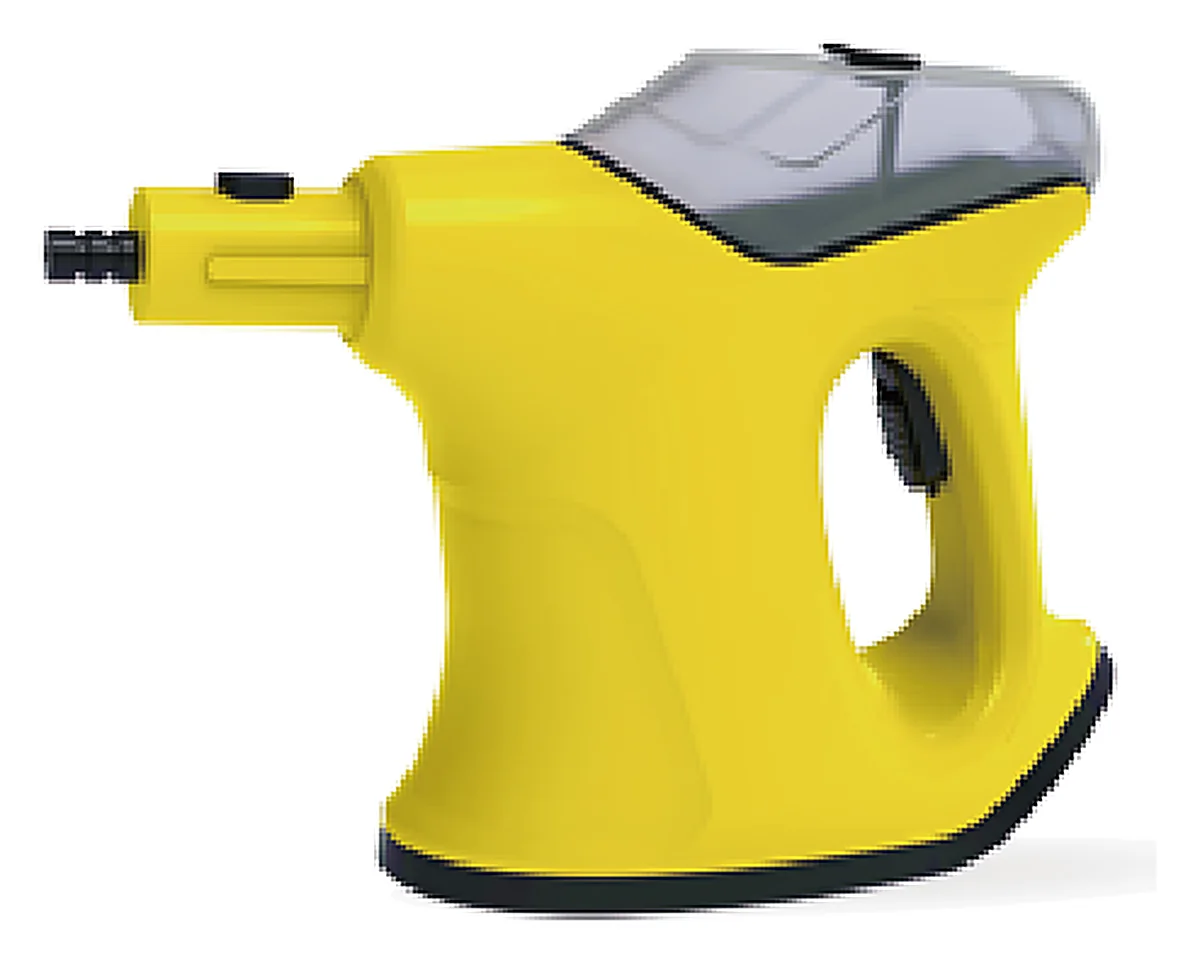
Steam cleaner buying guide
Formats, price ladders, documents and the RFQ checklist in one page.
Start here
View specifications →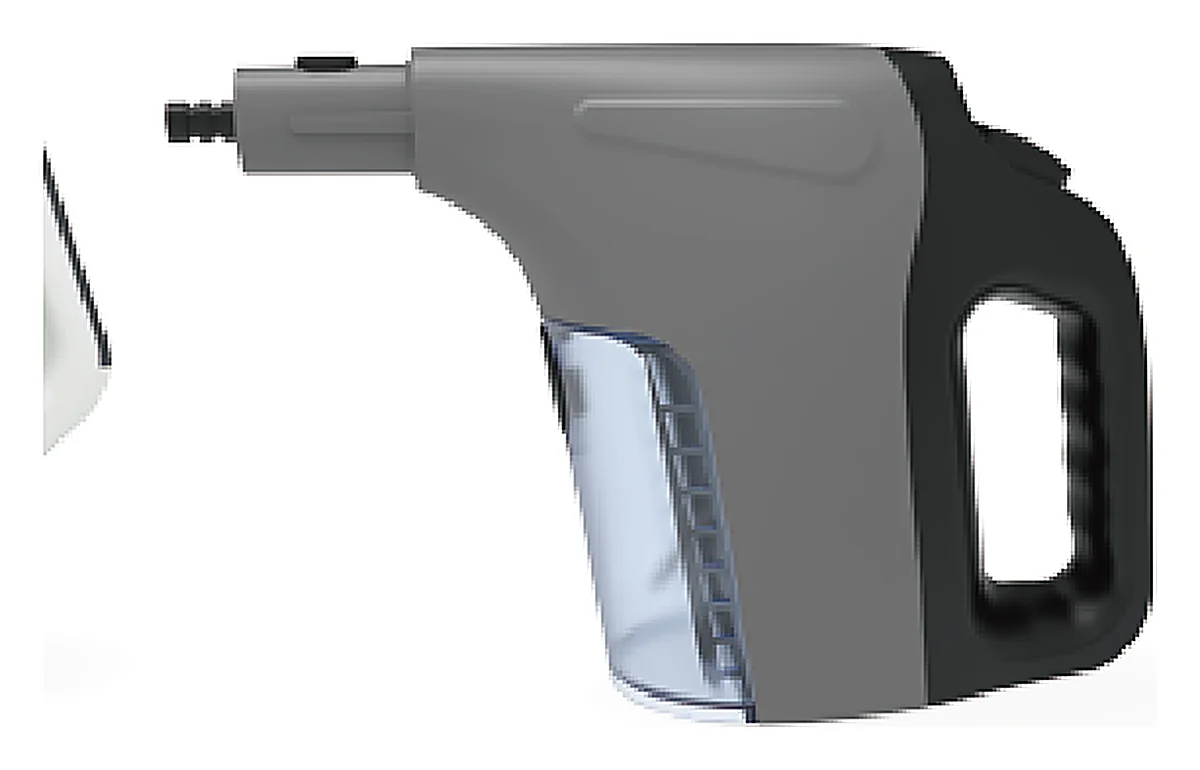
Handheld vs canister steam cleaner
The two shelf architectures compared on specs and margin logic.
Comparison
View specifications →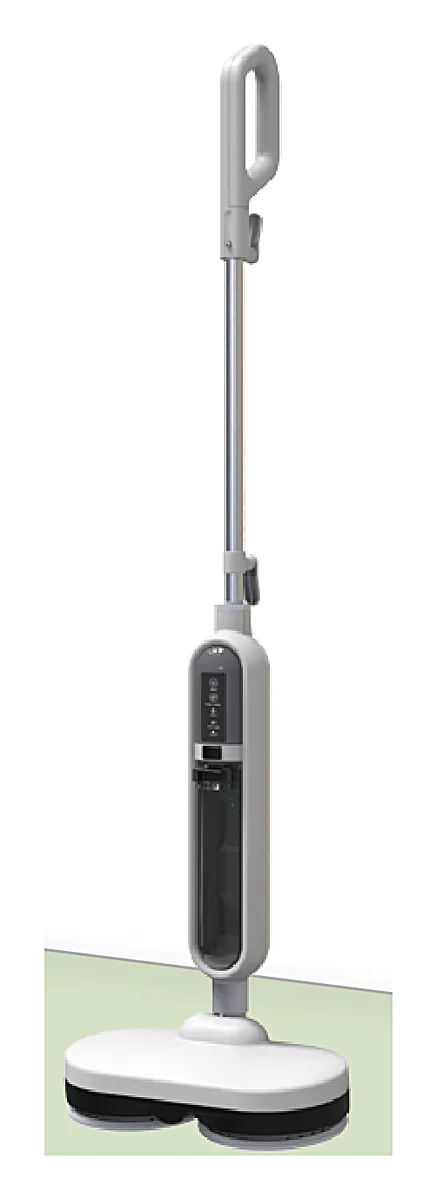
Steam mop vs steam cleaner
Where mops fit a cleaning assortment, and where they cannibalise.
Comparison
View specifications →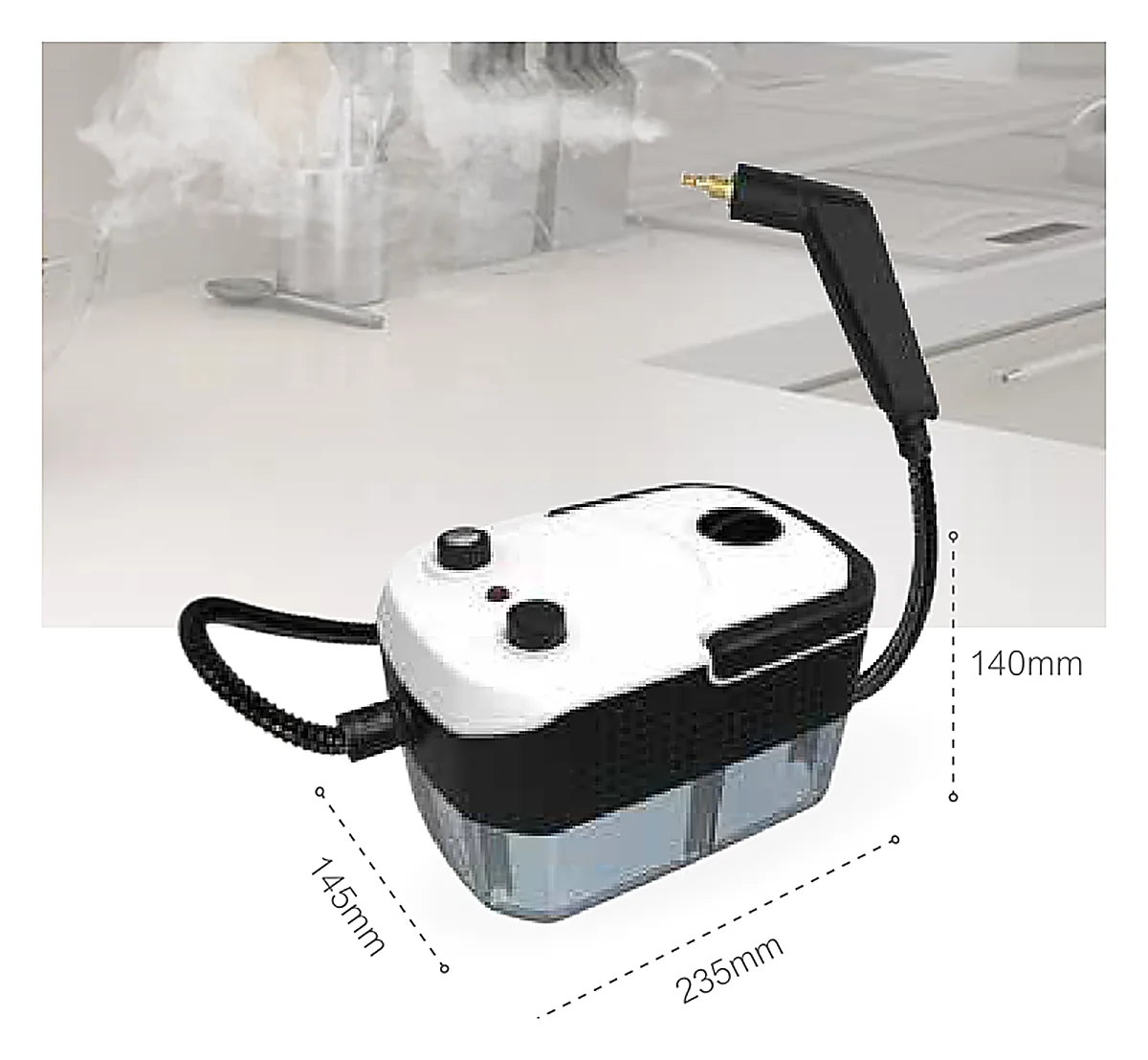
Heat-up, pressure, tank & steam rate
The four numbers that decide performance — explained with catalog data.
Method
View specifications →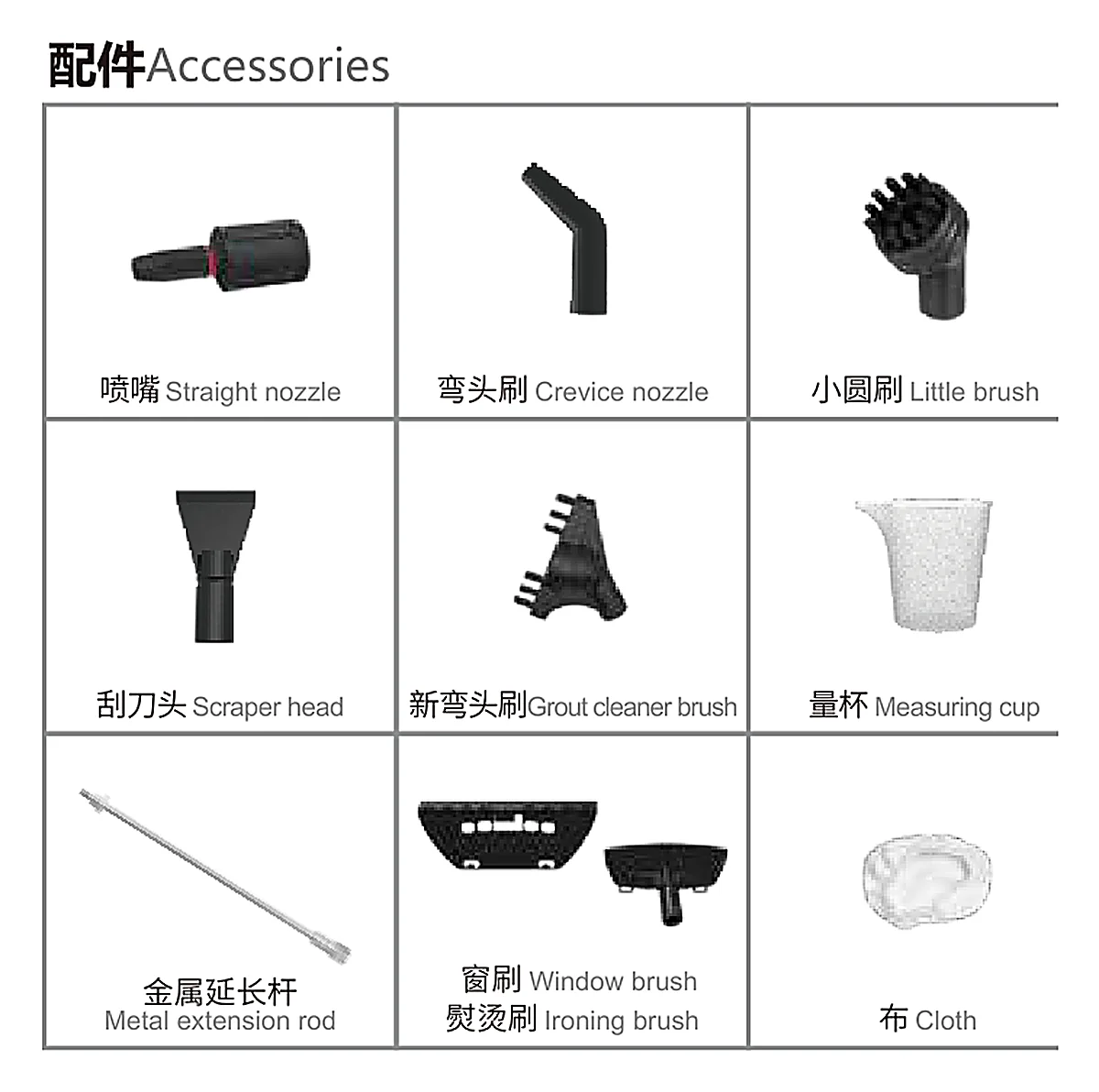
Steam cleaner accessories guide
Every attachment in the platform, what it does, what to bundle.
Reference
View specifications →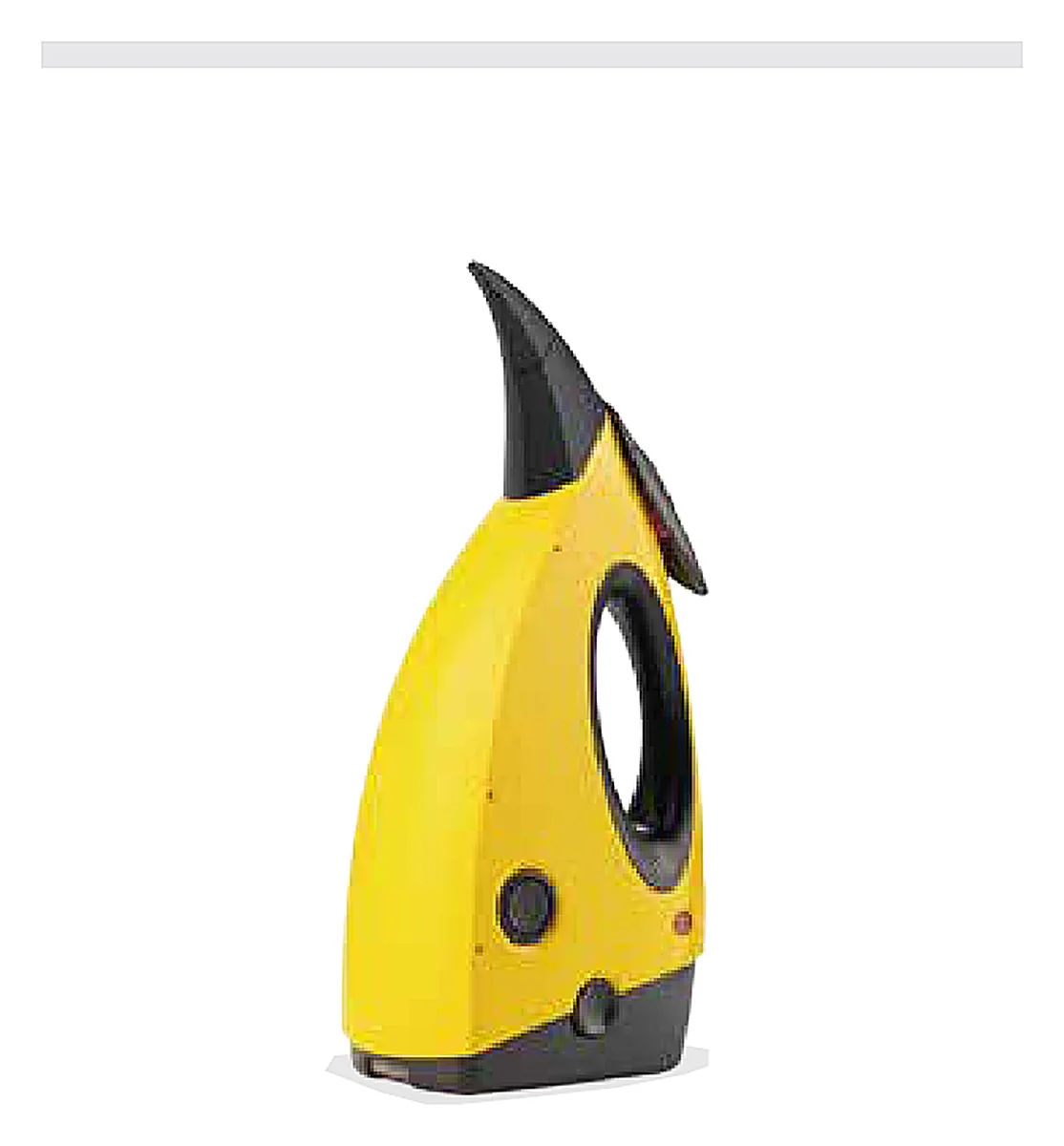
EU steam cleaner compliance checklist
GPSR, LVD/EMC, WEEE, packaging EPR — the importer’s checklist.
Compliance
View specifications →